 delishing
How to Pan-Sear and Oven-Finish Filet Mignon for a Perfect Cook

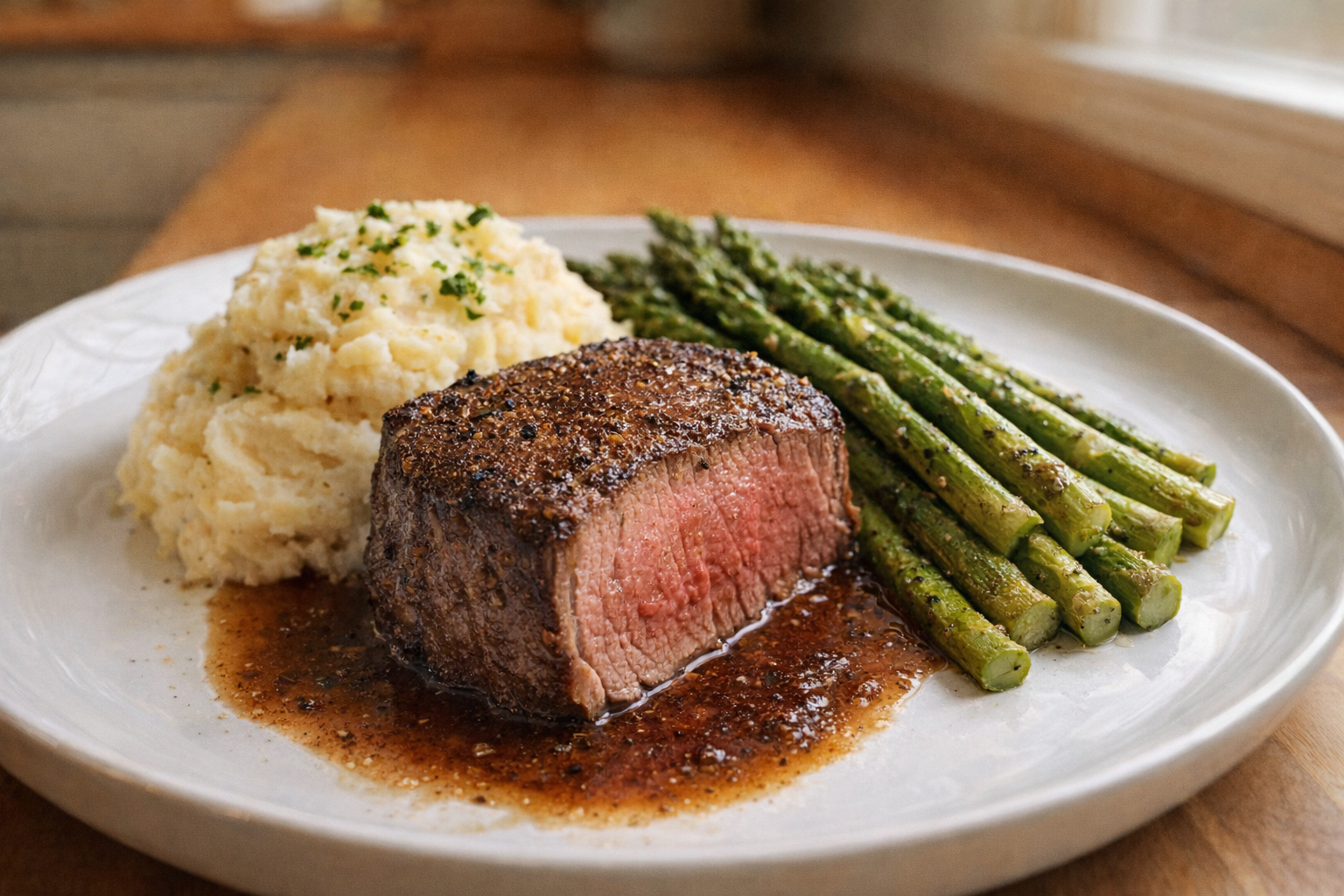
Filet mignon, cut from the tenderloin, is prized for its exceptional tenderness and mild, buttery flavor. When cooked correctly, it offers a melt-in-your-mouth experience that rivals any steakhouse. This method of searing in a pan followed by a gentle oven finish allows you to develop a rich, flavorful crust while maintaining a perfectly even internal temperature. This guide will walk you through selecting, preparing, and cooking filet mignon to achieve restaurant-quality results at home.
This method is preferred over direct grilling or solely pan-frying for thicker cuts like filet mignon because it offers a balance of intense searing and controlled cooking. Searing first provides the desirable Maillard reaction, creating complex flavors on the surface, while finishing in the oven ensures the center reaches the desired doneness without overcooking the exterior.
Understanding Filet Mignon
Filet mignon is a specific cut taken from the smaller end of the beef tenderloin. Because the tenderloin muscle is not heavily used by the animal, the meat is incredibly tender. When buying filet mignon, look for steaks that are at least 1.5 inches thick to prevent overcooking. Well-marbled steaks will have richer flavor.
What to Buy:
- Thickness: Aim for 1.5-2 inch thick steaks.
- Marbling: Look for steaks with even, fine marbling throughout.
- Color: A bright red color is ideal, avoiding steaks that appear brown or grey.
- Source: If possible, purchase from a reputable butcher or grocery store with high turnover.
Why Cook Filet Mignon This Way?
- Versatility: This method works well for different levels of doneness, from rare to medium-well.
- Flavor: The searing process creates a rich, savory crust that complements the tender interior.
- Convenience: It can be done year-round, regardless of the weather, and doesn't require a grill.
Preparation (Mise en Place)
- Thawing: If frozen, thaw the filet mignon in the refrigerator for 24-48 hours. Never thaw at room temperature.
- Resting: Remove the steaks from the refrigerator 30-60 minutes before cooking. This allows them to come to room temperature, ensuring even cooking.
- Pat Dry: Pat the steaks dry with paper towels. This step is crucial for achieving a good sear. Moisture on the surface will steam the steak instead of searing it.
- Trimming (Optional): Trim any excess silverskin or fat from the surface of the steaks. Filet mignon is typically very lean, so excessive trimming is usually unnecessary.
Essential Tools
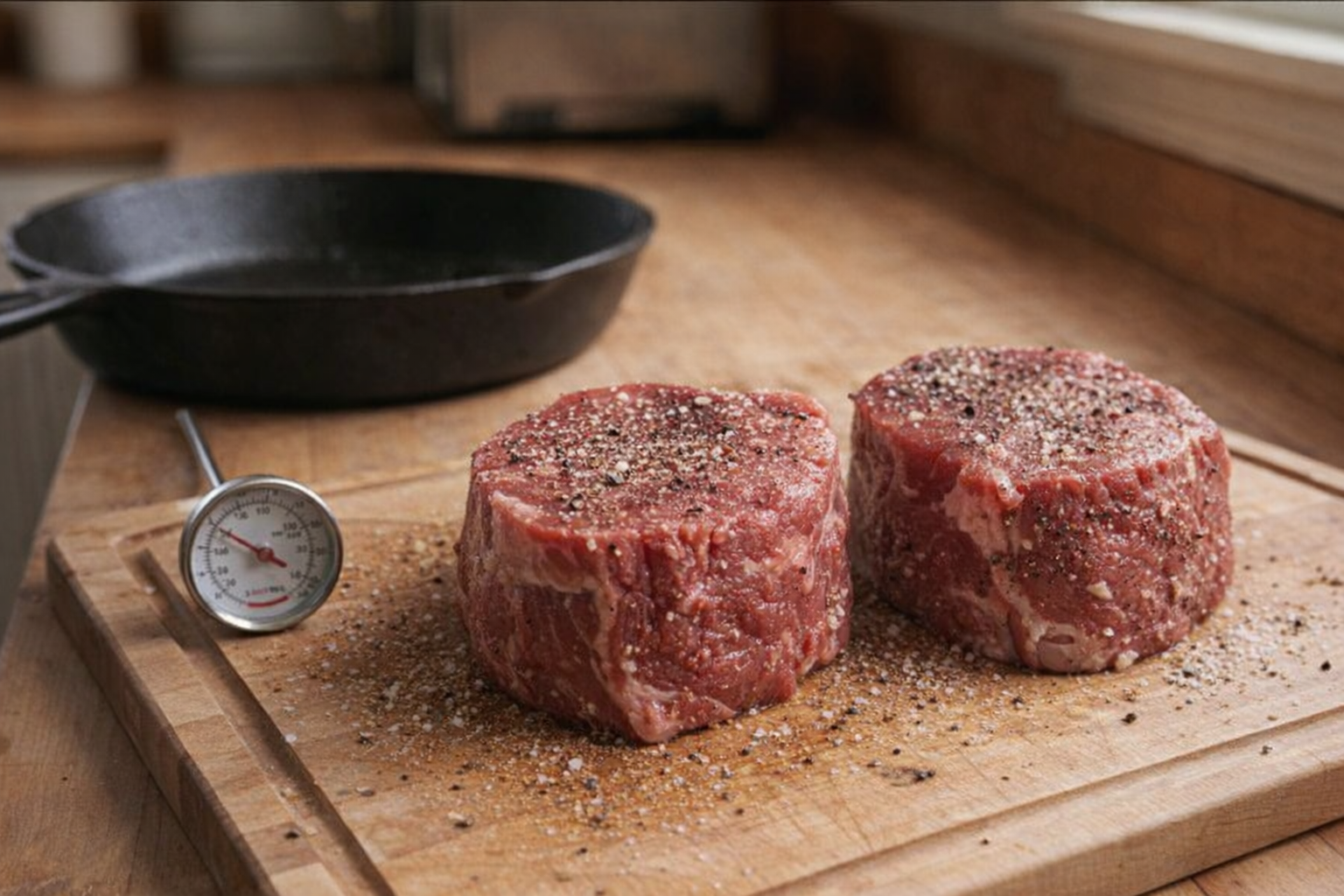
- Cast Iron Skillet or Oven-Safe Pan: A cast iron skillet is ideal for its excellent heat retention and even heat distribution. The pan must be oven-safe.
- Tongs: Tongs are essential for safely turning and handling the steaks during searing.
- Meat Thermometer: A reliable meat thermometer is critical for achieving the desired level of doneness. Use an instant-read thermometer for quick and accurate readings.
- Oven: To gently bring the steak to the correct internal temperature.
The Cooking Method
Method: Pan-Sear and Oven-Finish
This method combines the best of both worlds, resulting in a steak with a flavorful crust and a perfectly cooked interior.
Searing and Oven Finishing Filet Mignon
Ingredients:
- 4 Filet Mignon Steaks (6-8 ounces each, 1.5-2 inches thick) (Approximately 170-225 grams each, 4-5 cm thick)
- 2 tablespoons High-Heat Cooking Oil (such as avocado, canola, or grapeseed) (30 ml)
- 2 tablespoons Unsalted Butter (30 grams)
- 2 cloves Garlic, smashed
- 2 sprigs Fresh Rosemary or Thyme
- Kosher Salt and Freshly Ground Black Pepper, to taste
- Preheat Oven and Pan: Preheat the oven to 400°F (200°C). Place the cast iron skillet in the oven while it preheats. This ensures the pan is evenly heated.
- Season Steaks: Generously season both sides of the filet mignon steaks with kosher salt and freshly ground black pepper. Don't be afraid to be generous; seasoning is key to flavorful steak.
- Sear Steaks: Carefully remove the hot skillet from the oven and place it on the stovetop over high heat. Add the oil to the skillet. The oil should shimmer and almost smoke.
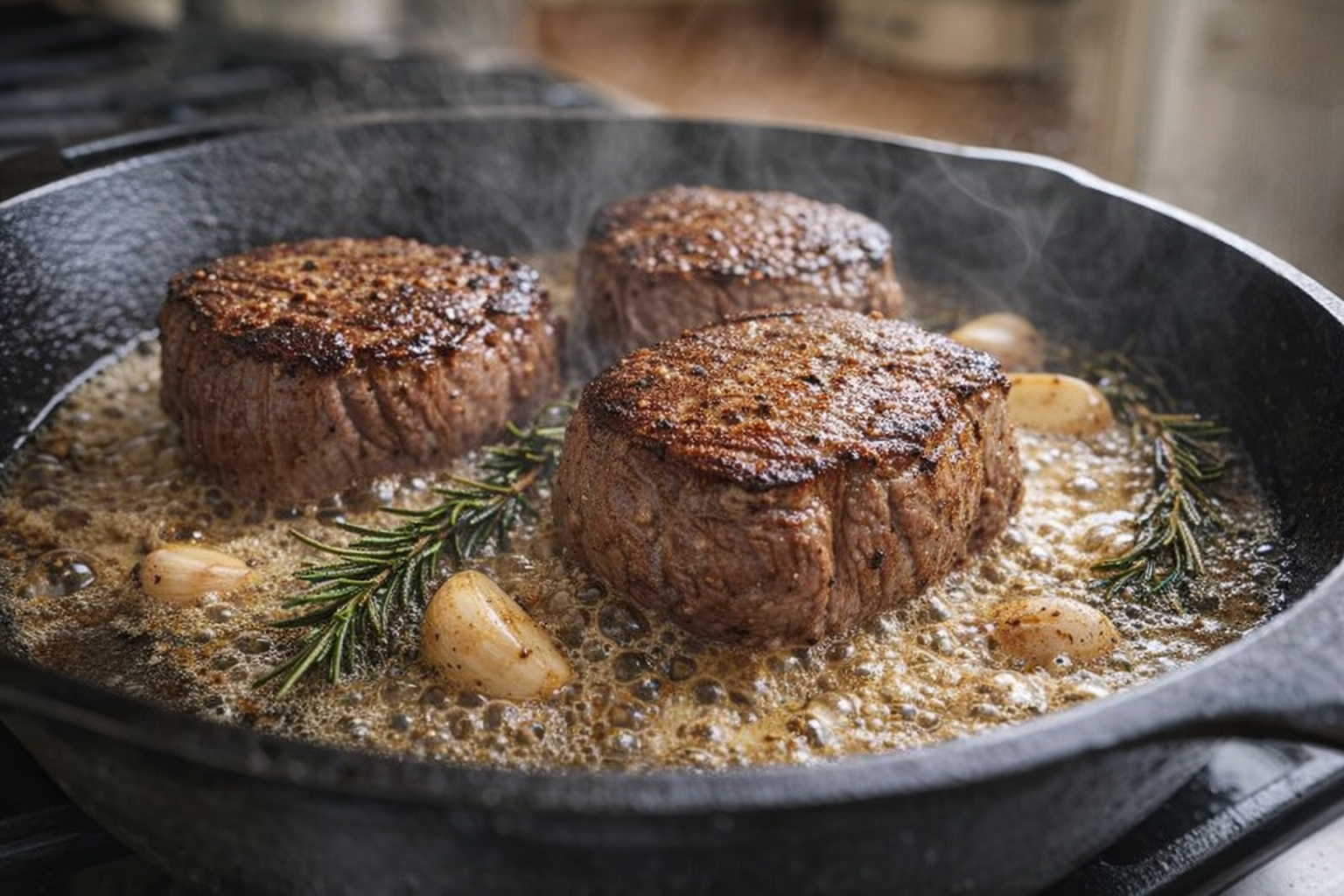
- Add Steaks and Sear: Carefully place the steaks in the hot skillet, ensuring they are not overcrowded. Sear for 2-3 minutes per side, without moving them, until a deep brown crust forms. The kitchen will fill with the enticing aroma of searing beef.
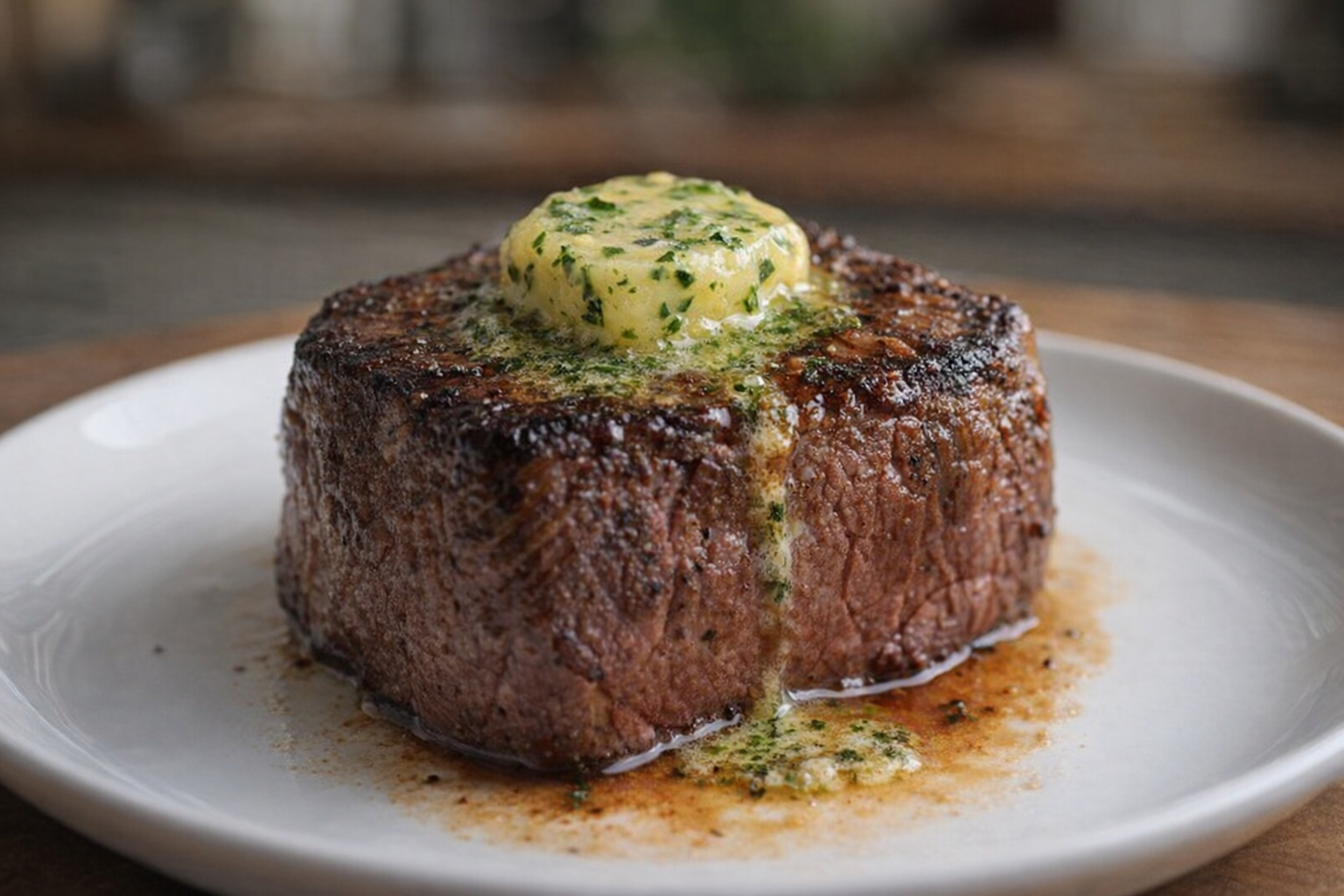
- Add Aromatics: Reduce the heat to medium. Add the butter, smashed garlic cloves, and rosemary or thyme sprigs to the skillet.
- Baste: As the butter melts, tilt the pan slightly and use a spoon to baste the steaks with the butter, garlic, and herb mixture. This infuses the steaks with flavor and helps to create a beautiful crust.
- Oven Finish: Transfer the skillet to the preheated oven. Cook for 4-10 minutes, or until the steaks reach the desired internal temperature (see Cooking Time & Doneness Guide below).
- Rest: Remove the skillet from the oven and transfer the steaks to a cutting board. Tent loosely with foil and let rest for 5-10 minutes. This allows the juices to redistribute, resulting in a more tender and flavorful steak. The internal temperature will continue to rise slightly during resting.
Cooking Time & Doneness Guide
Use a meat thermometer to ensure accurate doneness. Insert the thermometer into the thickest part of the steak, avoiding bone or fat.
- Rare: 120-125°F (49-52°C)
- Medium Rare: 130-135°F (54-57°C)
- Medium: 140-145°F (60-63°C)
- Medium Well: 150-155°F (66-68°C)
- Well Done: 160°F+ (71°C+) (Not recommended for Filet Mignon)
Visual Cues
- Rare: The steak will feel very soft to the touch, similar to the fleshy part of your palm below your thumb when your hand is relaxed.
- Medium Rare: The steak will feel slightly firmer, with a little give.
- Medium: The steak will feel noticeably firmer, with less give.
- Medium Well: The steak will feel firm with very little give.
Tips for Perfection
- Don't Overcrowd the Pan: Cook the steaks in batches if necessary to avoid overcrowding the pan, which will lower the temperature and prevent a good sear.
- Use a Hot Pan: Ensure the pan is properly heated before adding the steaks. A hot pan is essential for achieving a good sear.
- Don't Move the Steaks Too Soon: Allow the steaks to sear undisturbed for 2-3 minutes per side to develop a deep brown crust.
- Rest the Steaks: Resting the steaks after cooking is crucial for allowing the juices to redistribute, resulting in a more tender and flavorful steak.
Storage & Reheating
- Storage: Store leftover filet mignon in an airtight container in the refrigerator for up to 3 days.
- Reheating: The best way to reheat filet mignon is in a low oven (250°F/120°C) until warmed through. This prevents the steak from drying out. Alternatively, you can slice the steak and quickly sear it in a hot pan. Avoid microwaving, as it can make the steak tough.
Serving Suggestions
- With Garlic Mashed Potatoes and Roasted Asparagus: A classic combination that complements the richness of the steak.
- With a Red Wine Reduction Sauce: A sophisticated sauce that elevates the dish.
- Sliced over a Salad: Add sliced filet mignon to a bed of mixed greens with a vinaigrette dressing for a lighter meal.
- As Filet Mignon Benedict: Top toasted English muffins with slices of perfectly cooked filet mignon, poached eggs, and hollandaise sauce for a luxurious brunch.
💡 Pro Tips
- Let the filet mignon sit at room temperature for at least 30 minutes before cooking to ensure the center reaches the desired temperature evenly.
- Pat the steaks completely dry with paper towels before seasoning to help create a superior crust through the Maillard reaction.
- Use a heavy cast-iron skillet over high heat with a high-smoke-point oil like avocado oil to achieve a deep, professional sear.
- Use an instant-read meat thermometer to pull the steaks from the oven at 130°F for a perfect medium-rare finish.
- Rest the meat on a warm plate for at least five minutes after cooking to allow the juices to redistribute for a tender, moist result.
Frequently Asked Questions
If you don't have a cast iron skillet, you can use any heavy-bottomed, oven-safe pan. Stainless steel pans work well, but avoid using non-stick pans as they are not ideal for high-heat searing and may not be oven-safe at high temperatures.
The best way to check for doneness is to use a meat thermometer. Insert the thermometer into the thickest part of the steak, avoiding any bone or fat. For medium-rare, aim for an internal temperature of 130-135°F.
Yes, this pan-sear and oven-finish method works well for other thick cuts of steak like ribeye or New York strip. You may need to adjust the cooking time in the oven depending on the thickness and desired doneness of the steak.
Leftover cooked filet mignon can be stored in an airtight container in the refrigerator for up to 3-4 days. Reheat gently in a pan or oven to avoid drying it out, and consider adding a little beef broth or butter to retain moisture.